
There’s a moment most people experience before they decide to sell jewelry in NYCa pause, a second-guess, a quiet worry that they’re about to leave money on the table. That instinct isn’t wrong. The difference between a great transaction and a disappointing one almost always comes down to what you know before you walk through the door. After two decades of watching sellers come in underprepared, the patterns are hard to miss. Here’s what experience actually teaches you about getting this right.
The Piece You Think Is Worthless Might Be the One Worth the Most
Sellers consistently underestimate what they’re holding. A tangle of broken gold chains stuffed in a drawer. A grandmother’s brooch that “nobody wears anymore.” A plain-looking ring with no stones. These are exactly the kinds of pieces that surprise people the most when they finally get an appraisal.
Gold is gold regardless of its condition. A broken bracelet melts down the same as a pristine one. The metal content, the karat, the weight, is what drives the offer, not whether the clasp still works. The same logic applies to platinum and silver. If you’ve been sitting on pieces because they seem too damaged or too plain to bother with, that assumption is costing you real money.
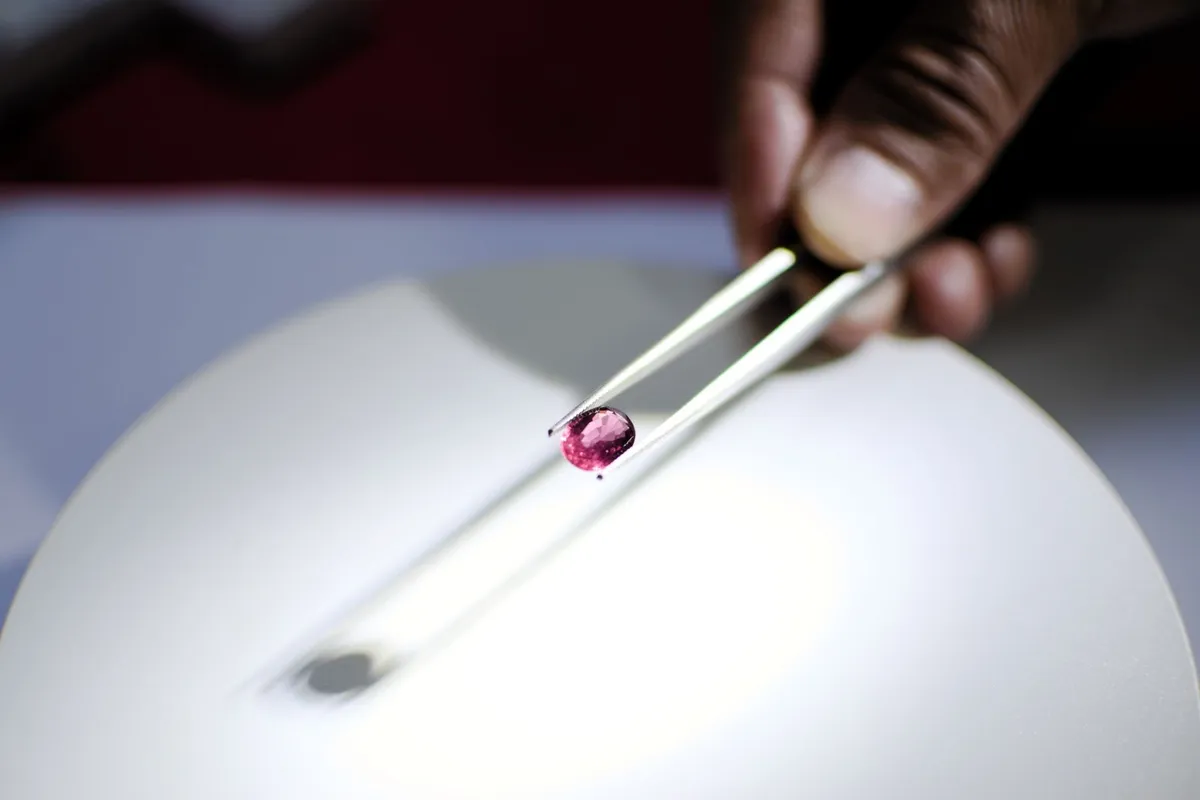
Colored gemstones are another area where people consistently leave value behind. Sapphires, rubies, and emeralds set in older pieces are often overlooked because the setting itself looks dated. The stone, though, can be worth considerably more than the seller imagined. If you’re curious about what those gems might fetch, it’s worth learning more about selling colored stones in NYC before you assume the worst.
Timing Isn’t Everything, But It’s Not Nothing Either
Gold prices move. They respond to inflation, global uncertainty, currency shifts, and a dozen other forces that have nothing to do with your jewelry specifically. What that means practically is that the same piece can generate a noticeably different offer depending on when you bring it in.
Right now, precious metal prices have been running high by historical standards. That’s not a sales pitch, it’s market reality. Sellers who understand this dynamic tend to approach the process with more confidence because they know the timing is working in their favor. If you want to understand what’s actually driving your offer on any given day, this breakdown of what influences a cash-for-gold offer is genuinely useful reading before you come in.
The flip side is also true, waiting indefinitely in hopes of a “perfect” moment rarely pays off. Markets are unpredictable. If prices are strong today and you have pieces you’re ready to part with, that’s usually reason enough to move.
Where You Sell Matters as Much as What You Sell
This is the part that experienced sellers understand and first-timers often don’t: not all buyers are the same. The offer you get from a pawn shop that handles everything from electronics to tools is going to be different from what you get at a dedicated jewelry buyer with deep expertise in precious metals and stones.
Specialization matters. A buyer who works exclusively with jewelry, diamonds, watches, and precious metals every single day has sharper pricing, better tools for evaluation, and a more accurate sense of what things are actually worth in the current market. That knowledge translates directly into better offers for sellers.
Unlimited Buyers, based in NYC, has built its reputation on exactly that kind of focused expertise. Customers who’ve been through the process consistently describe the experience as transparent and fair, no pressure, no lowball offers dressed up with confusing jargon, just a straightforward assessment and a real number. That kind of consistency is what keeps people coming back and sending their friends.
If you’re selling a watch specifically, the expertise gap between buyers is even more pronounced. Luxury timepieces have their own market, their own valuation criteria, and their own demand cycles. Working with dedicated watch buyers in NYC rather than a generalist makes a real difference in what you walk away with.
What You Do Before the Appointment Changes the Outcome
Walking in cold, no research, no sense of what you have, puts you at a disadvantage. Not because reputable buyers will take advantage of that, but because you won’t know whether the offer you’re receiving is fair. A little preparation goes a long way.
Start by gathering everything you have. Don’t edit the pile before you bring it in. Let the buyer assess it all. Pieces you’ve dismissed might have value; pieces you’ve treasured might be worth less than you thought. Either way, you want the full picture.
If you have documentation, original receipts, certificates for diamonds, brand paperwork for watches, bring it. It doesn’t always change the offer dramatically, but it removes uncertainty and can support a stronger valuation, particularly for certified stones or branded timepieces.
Do a quick check on current gold and silver spot prices before you go. You don’t need to become a commodities trader, but knowing the rough market rate gives you a reference point. When a buyer explains their offer, you’ll be able to follow the math rather than just nodding along.
Most importantly, choose a buyer who welcomes your questions. A professional with nothing to hide will explain exactly how they arrived at their number. If an explanation feels evasive or rushed, that’s information too. The right buyer makes the process feel collaborative, not transactional, and in a city with as many options as New York, you have every reason to find one who does.
Frequently Asked Questions
Does the condition of my gold pieces actually affect what I get paid?
No, broken, tangled, or damaged gold is evaluated the same way as pieces in perfect condition, because what drives the offer is the karat and the weight of the metal, not whether the clasp works or the chain is intact. A broken bracelet melts down the same as a pristine one, so don’t leave pieces in a drawer just because they look too damaged to bother with. Bring everything in and let the buyer assess it all before you make any assumptions.
How do I know if the offer I’m getting is actually fair?
Check the current gold or silver spot price before your appointment so you have a real reference point when the buyer walks you through their math, you don’t need to be an expert, just familiar enough to follow the numbers. A reputable buyer will explain exactly how they arrived at the figure without rushing or being vague about it. If the explanation feels evasive, that’s a signal worth paying attention to.
Should I bother bringing in old colored gemstone pieces if the settings look outdated?
Yes, the setting being dated doesn’t tell you much about what the stone itself is worth. Sapphires, rubies, and emeralds in older pieces are frequently worth considerably more than sellers expect, and the style of the mounting has little bearing on that valuation. Don’t edit your pile before you bring it in; let the buyer look at everything.
Is there a real difference between going to a pawn shop versus a dedicated jewelry buyer in NYC?
Yes, and it shows up directly in the offer you receive. A buyer who works exclusively with precious metals, diamonds, and watches every day has sharper pricing tools and a more accurate read on the current market than a generalist handling electronics and tools in the same shop. That specialization translates into a more accurate, and typically stronger, number for the seller.
Does it make sense to wait for a better moment if gold prices might go higher?
Waiting indefinitely for a perfect moment rarely pays off because precious metal markets are unpredictable, and there’s no reliable way to know whether prices will climb or pull back. The article’s practical position is straightforward: if prices are strong today and you have pieces you’re ready to part with, that’s usually reason enough to move. Holding out for a theoretical peak can mean missing a market that’s already running high by historical standards.
Get Directions to Unlimited Buyers
🎧 Listen to this as a podcast
Also on Apple Podcasts, Spotify, and Amazon Music.
