
Most people selling jewelry make the same mistake: they pick the first buyer who quotes a number and move on. That impulse is understandable, but it costs real money. The difference between a mediocre offer and a fair one can run into hundreds of dollars on a single piece, and the gap widens fast with high-value items like diamond rings, estate pieces, or luxury timepieces. Choosing the right buyer is a process, not a gut call, and the criteria that actually matter are specific enough that most sellers never think to ask about them.
What Separates a Serious Buyer from a Casual One
Credentials matter more than storefront aesthetics. A buyer who holds a Graduate Gemologist (GG) credential from the Gemological Institute of America has trained formally to grade diamonds and colored stones. That training directly affects how accurately they assess what you’re selling. A buyer without it is guessing, or using a shortcut that benefits them, not you.
Ask directly: does the buyer use calibrated scales, a refractometer, a loupe, or a spectrometer for metal testing? Serious buyers use XRF analyzers to test metal purity on the spot. It takes about thirty seconds and removes all guesswork from the gold or platinum content of a piece. If a buyer is eyeballing your 18k chain and offering a price without testing, walk out.
Unlimited Buyers is direct with clients about this: buyers who skip proper testing are not making an error. They are making a business decision that favors their margin. The gap between what a tested piece is worth and what an untested “estimate” pays out is rarely in the seller’s favor.
Reputation is verifiable. Check Google reviews, the Better Business Bureau, and ask whether the buyer is a licensed secondhand dealer in New York. NYC requires dealers in secondhand goods to hold a license from the Department of Consumer and Worker Protection. That is not a technicality. It is a baseline accountability measure.
How to Read an Offer Before You Accept It
A single number is not an offer. It is a starting point, and understanding what is behind it tells you whether the buyer is being straight with you.
For gold, the calculation should be transparent: weight in grams, multiplied by the purity percentage, multiplied by the current spot price, minus the buyer’s margin. Ask the buyer to walk you through it. A buyer who cannot or will not explain the math is working from a black box, and that box is not built for your benefit.
For diamonds, the GIA grading report matters enormously. A stone with a GIA certificate sells for more because the buyer can resell it with confidence. If your stone has no cert, expect a lower offer. That is not a scam; it reflects real resale risk. Unlimited Buyers regularly advises clients to locate any existing paperwork before coming in, because documentation moves the needle on price more than most sellers expect.
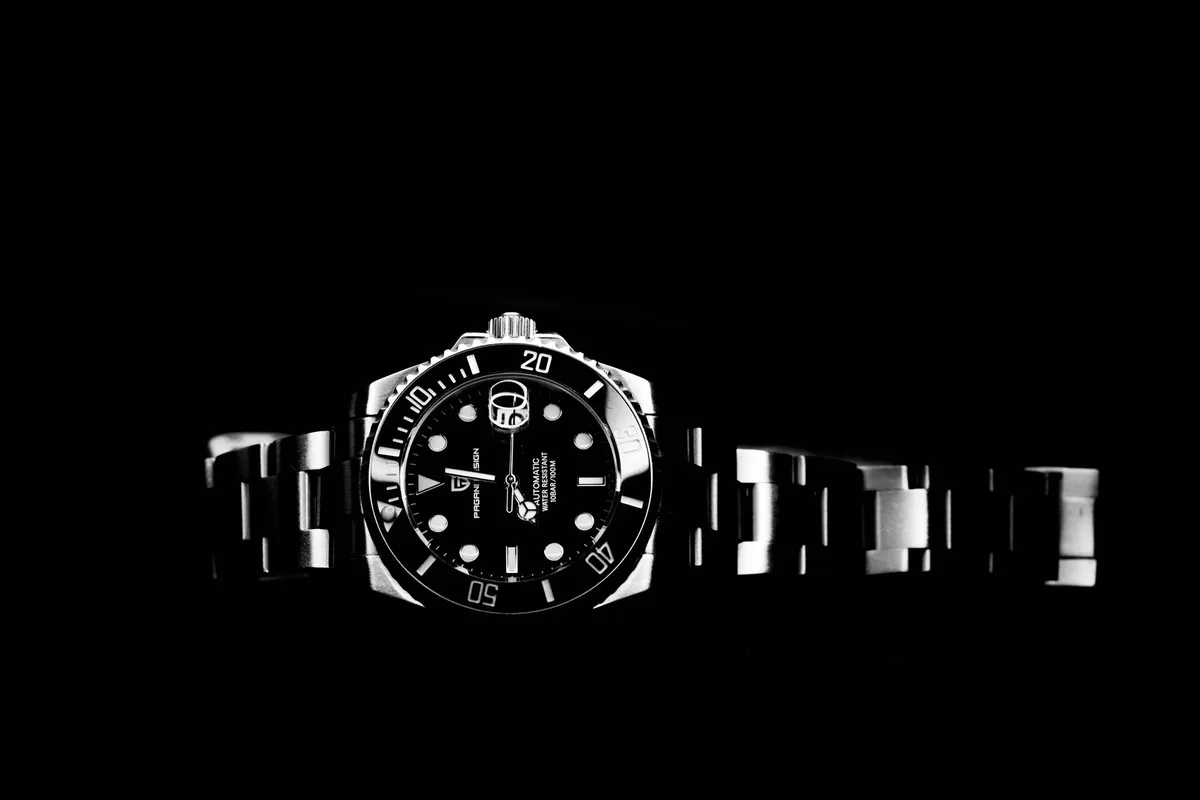
Luxury watch buyers in NYC operate differently from gold buyers. The market for a Rolex Submariner or a Patek Philippe Nautilus is driven by secondary market demand, reference numbers, and condition of the dial and case. When people sell watches through a knowledgeable buyer, the offer should reflect current auction comps and dealer asking prices, not an arbitrary discount from retail. Ask the buyer what comparable pieces have sold for recently. If they cannot answer, they are not tracking the market.
Red Flags That Are Easy to Miss
Pressure is the most reliable warning sign. Any buyer who creates urgency, says the offer expires in ten minutes, or discourages you from getting a second opinion is not confident in their pricing. Confident buyers invite comparison.
Watch for buyers who conflate replacement value with resale value. A piece appraised at $8,000 for insurance purposes will not sell for $8,000 to a jewelry buyer. Insurance appraisals are intentionally high. Resale value is what the secondary market will actually pay, and those two numbers are not close. A buyer who references your insurance appraisal as a baseline is either confused or being deliberately misleading.
In the Chelsea area and across NYC more broadly, the density of buyers means competition is real. Use it. Getting two or three offers on a significant piece is not rude; it is rational. Buyers in competitive markets know this and price accordingly.
Be skeptical of buyers who do not buy everything. A shop that only purchases diamonds but not colored stones, or gold but not platinum, is signaling limited expertise or limited resale channels. A full-service jewelry buyer in NYC should be able to evaluate and purchase across categories, including pieces with colored stoneswithout sending you elsewhere.
The Practical Steps Before You Walk In
Gather documentation first. GIA reports, original purchase receipts, prior appraisals, and brand boxes all support a higher offer. Clean the piece gently with a soft cloth. Dirt obscures detail and can make a buyer conservative on condition.
Know the current spot price for gold or platinum before your appointment. It takes thirty seconds on any commodity tracking site. Walking in with that number means you can check the math in real time rather than after the fact.
Call ahead and ask whether the buyer has experience with your specific type of item. A shop that regularly handles estate jewelry will appraise an Art Deco brooch differently than one that mostly processes scrap gold. Specialization is not a luxury; it is the difference between a fair assessment and a generic one.
Unlimited Buyers works with clients throughout NYC from their office at 37 W 47th St #203, New York, NY 10036, and can be reached at (212) 764-6725. For anyone working through the decision of where to sell and what to expect, their team is a practical resource with no obligation to sell.
Frequently Asked Questions
What should I prepare before meeting with a jewelry buyer?
Gather any documentation related to your items, such as GIA reports, original purchase receipts, and prior appraisals. Cleaning the piece gently with a soft cloth can also help, as dirt can obscure details and affect the buyer’s assessment.
How do I know if the buyer is making a fair offer?
A fair offer should be based on the weight in grams, purity percentage, and current spot price, minus the buyer’s margin. Ask the buyer to explain their calculations; if they cannot provide clarity, it may indicate they are not being straightforward.
What common mistakes do people make when selling jewelry?
One common mistake is accepting the first offer received without comparing it to others. Another is not verifying the buyer’s credentials or testing methods, which can lead to undervaluation of the piece.
What red flags should I watch out for when dealing with a jewelry buyer?
Be cautious of buyers who create a sense of urgency, such as saying the offer is valid for a limited time. Additionally, watch for buyers who confuse replacement value with resale value or who do not provide clear explanations about how they arrived at their offer.
Get Directions to Unlimited Buyers
🎧 Listen to this as a podcast
Also on Apple Podcasts, Spotify, and Amazon Music.
From Jewelry Buyer to the Diamond District. Wherever you are in the city, Unlimited Buyers is a short trip away at 37 W. 47th St, Suite 203, New York, NY 10036. Open 7 Days · 9am–9pm. Call 212-764-6725 or get a free offer online.
