
Two people walk in with what looks like the same gold chain. One gets a strong offer. The other gets a number that barely covers the cab ride. This happens every day, and the gap is not arbitrary. Jewelry valuation is built from a stack of specific, measurable factors, and understanding each one tells you exactly why quotes differ, what you can control, and what you cannot. If you are thinking about turning a piece into cash, knowing how buyers actually read your jewelry is worth more than any single tip you will find online.
The Metal Itself: Weight, Purity, and What the Numbers Mean
Gold is priced by the troy ounce on the spot market, and that number moves every trading day. But the spot price is only the ceiling. What a buyer actually pays depends on two things first: how much metal is in the piece, and how much of that metal is genuinely gold.
Purity is stamped in karats. A 24-karat piece is as close to pure gold as jewelry gets. A 14-karat piece is 58.3% gold by weight, and a 10-karat piece drops to 41.7%. That difference is not cosmetic. On a 20-gram chain, the gap between 14k and 10k translates to several grams of actual gold content, which compounds directly into the offer. Buyers weigh every piece on a calibrated scale, then apply the karat percentage to find the pure gold equivalent. That figure, multiplied by a percentage of spot, is the baseline offer.
Stamps can be misleading. A piece marked 18k may have been re-tipped, soldered, or repaired with a different alloy. Experienced buyers test the metal, often with acid or an electronic tester, rather than taking the hallmark at face value. Pieces with inconsistent karat readings across different sections will be assessed conservatively, because the buyer carries the risk if the assay comes back lower than expected.
Condition, Construction, and What Buyers Actually Notice
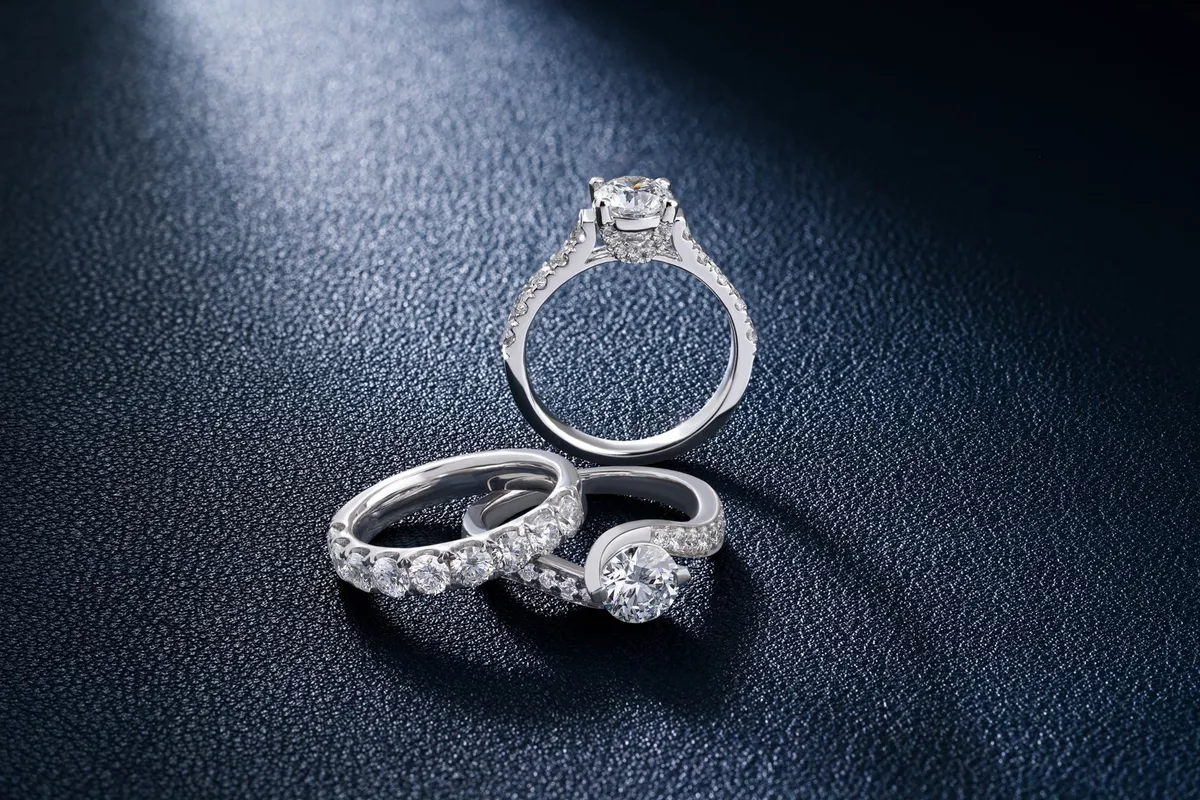
A common misconception is that condition does not matter much when selling gold, because the metal is going to be melted anyway. That is only partly true. Condition matters for two different reasons depending on what kind of piece you have.
For commodity gold, meaning chains, bangles, plain bands, and simple hoops, condition affects weight more than anything else. A heavily worn piece may have lost measurable mass. Solder repairs add base metal that dilutes the gold content. Missing sections obviously reduce the total weight. None of these are deal-breakers, but they all come off the final number.
For pieces with recognizable maker’s marks or design value, condition becomes a separate factor entirely. A signed Cartier or Van Cleef piece in good condition may be worth considerably more than its melt value, because a buyer can resell it as an object rather than raw material. Scratches, bent settings, and missing stones push a potentially collectible piece toward melt pricing. Unlimited Buyers looks at both pathways on every piece and quotes whichever produces the better outcome for the customer.
Stones, Settings, and the Limits of What Gets Included
Diamonds and colored stones are evaluated completely separately from the metal. A diamond’s value is driven by cut, color, clarity, and carat weight, and none of those factors are visible from across a counter. Buyers use loupes, light sources, and sometimes electronic testers to assess stones before deciding whether they add value to the offer or are simply set aside.
Small melee diamonds, the tiny accent stones common in cluster rings and pavé settings, rarely add much to an offer individually. Their value in aggregate can be meaningful, but the labor of removing and grading dozens of tiny stones has to pencil out. Larger center stones are a different story. A 1-carat or better diamond in a well-documented quality grade can shift an offer substantially. If you have GIA or AGS paperwork for a stone, bring it. Certification does not guarantee a higher price, but it removes uncertainty, and buyers price uncertainty into their offers. You can learn more about how stones are evaluated separately on the Sell Colored Stones NYC page.
Settings themselves can complicate valuation. Platinum prongs on a gold ring, for example, require the buyer to account for two different metals. If you are curious how platinum content is assessed alongside gold, the platinum buying process follows similar logic but with its own spot price and purity standards.
Market Timing and the Buyer’s Margin
Spot gold prices shift constantly, and every buyer builds in a margin to cover operating costs, the risk of price movement between purchase and liquidation, and the cost of testing and processing. That margin varies by buyer. A pawnshop working on short-term loans prices very differently from a dedicated gold buyer. A buyer in a high-overhead retail location prices differently from one operating in a professional suite.
Unlimited Buyers operates in NYC’s Midtown jewelry district and serves customers from SoHo and across the city. The observation from their team is consistent: customers who come in with multiple quotes, a basic understanding of their piece’s karat and weight, and realistic expectations about market-rate margins almost always leave more satisfied than those who arrive with no reference point at all. When you decide to sell gold or any other precious metal, that preparation is the one variable entirely in your hands.
Unlimited Buyers is a trusted local resource for jewelry valuation in NYC and SoHo, with straightforward assessments and no-pressure offers. For questions or to arrange an appointment, visit them at 37 W 47th St #203, New York, NY 10036, USA, or call (212) 764-6725.
Frequently Asked Questions
What factors determine the value of my jewelry when I bring it in?
The value is influenced by the metal’s weight and purity, the condition of the piece, and any stones it may contain. Experienced buyers assess these elements to calculate the pure gold equivalent and consider whether the piece has collectible value beyond its melt value.
How can I prepare for an evaluation to get the best offer?
Bring any documentation, such as GIA or AGS certification for stones, and understand your piece’s karat and weight. Having multiple quotes can also help you gauge a realistic market value and improve your overall satisfaction with the offer.
What should I watch out for that might lower my jewelry’s value?
Condition is crucial; signs of heavy wear, solder repairs, or missing sections can reduce weight and value. Additionally, if a piece has inconsistent karat readings, buyers may assess it conservatively due to the risk involved.
Are there common mistakes people make when valuing their jewelry?
A common mistake is assuming that all jewelry has significant value based only on its metal content, neglecting the importance of stones and design. Failing to prepare by understanding the piece’s characteristics and not having multiple quotes can also lead to less favorable offers.
Get Directions to Unlimited Buyers
🎧 Listen to this as a podcast
Also on Apple Podcasts, Spotify, and Amazon Music.
From Jewelry Buyer to the Diamond District. Wherever you are in the city, Unlimited Buyers is a short trip away at 37 W. 47th St, Suite 203, New York, NY 10036. Open 7 Days · 9am–9pm. Call 212-764-6725 or get a free offer online.
