
Most people walk into a jewelry buying appointment with one question: what will I get for this? That is the right question, but it is usually the only question they have prepared, and that is where things start to go sideways. The actual process involves several variables that customers rarely anticipate, and the gap between expectation and offer is almost always explained by one of them. Understanding those variables before you arrive saves time, prevents frustration, and in many cases means walking out with a meaningfully better number.
What Actually Determines the Offer You Receive
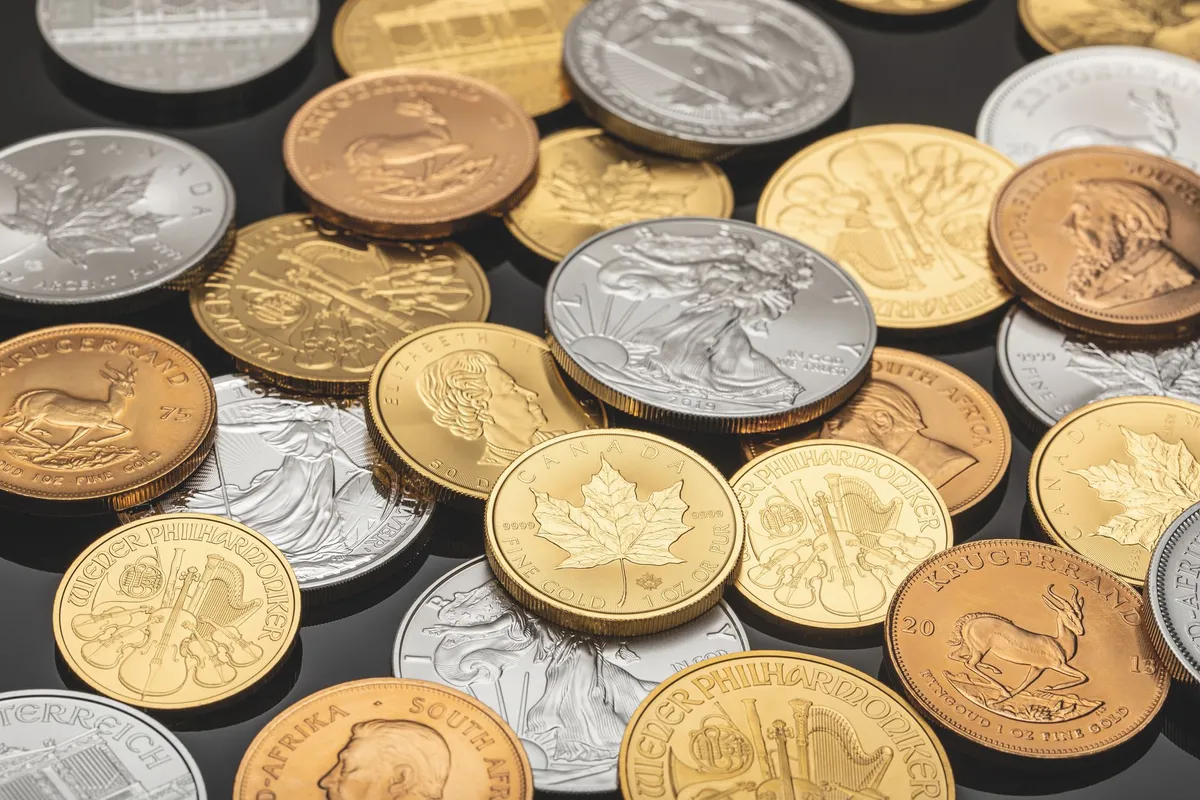
The metal content is the floor, not the ceiling. A 14-karat gold bracelet has a calculable melt value based on the day’s spot price, and no reputable buyer will go below that. But the ceiling is set by something harder to pin down: resale demand. A piece with strong designer provenance, a recognizable hallmark, or a stone that a buyer can move quickly will command more than its melt value. A heavily customized piece with sentimental design but no market demand will come in right at the floor.
Stones are evaluated separately from metal, and this surprises a lot of people. A diamond in a gold ring is two assets, not one. The diamond gets graded on its own merits, and the gold gets weighed. If the diamond is under half a carat or has visible inclusions, it may add very little to the offer. If it is a well-cut stone above a carat with a clean color grade, it can be worth multiples of the metal. Unlimited Buyers makes this breakdown explicit in every appraisal, so customers understand what is driving the number rather than just receiving a figure.
Condition matters more than most sellers expect. A bent prong, a missing stone, or a cracked shank does not just affect aesthetics. It affects what a buyer has to spend to make the piece sellable, and that cost comes off the offer. Cleaning a piece before bringing it in is fine. Attempting repairs yourself to raise the value is almost never worth it.
How Urgency Changes the Calculation
A seller who needs funds within 24 hours is in a different negotiating position than someone with two weeks to shop the piece around. That is not a moral judgment, it is just a market reality. Buyers know when someone is under pressure, and the offer will reflect the perceived timeline. If you have flexibility, use it. Get two or three offers. Compare not just the numbers but what each buyer is actually paying for, because the line items matter as much as the total.
For people in Flatiron who work nearby and can come back for a second conversation, that option is worth exercising. A buyer who knows you are not in a rush will often sharpen a number on a second visit, particularly for higher-value pieces where there is more margin to work with. This is less true for commodity gold, where the math is straightforward, and more true for estate pieces, signed jewelry, or anything with a stone worth more than a few hundred dollars.
Estate Collections and Single Pieces Are Handled Differently
Selling a single ring is a ten-minute transaction. Selling a deceased parent’s jewelry collection is a different kind of work entirely. The volume creates complexity: pieces need to be sorted, identified, and valued individually. Some will be worth real money. Others, particularly costume jewelry or heavily worn silver, may have minimal value regardless of their sentimental history. Customers who come in expecting uniform value across a collection are often disappointed, and the disappointment is sharper when grief is involved.
The practical advice here is to do a rough pre-sort before the appointment. Separate pieces that are clearly fine jewelry, meaning pieces with hallmarks, stones, or designer marks, from pieces that are likely costume or silver-plate. This saves time and helps the buyer focus on what matters. If you are dealing with a large estate in the NYC area and are not sure where to start, reading through the Unlimited Buyers blog gives a reasonable overview of what to expect at each stage.
For sellers who have diamonds in the collection, understanding the current market for stones is worth a few minutes of research. The process for selling diamonds in NYC involves different grading considerations than gold, and knowing the basics before the appointment puts you in a better position to evaluate what you are hearing.
The Mistakes That Cost Sellers Real Money
Going to a pawn shop for fine jewelry is the most common mistake. Pawn shops are structured to lend against collateral, not to pay retail-adjacent prices for quality pieces. The offers reflect that business model. A dedicated jewelry buyer, by contrast, is in the business of resale, and the offers are calibrated accordingly.
Accepting the first offer without understanding the breakdown is the second mistake. A number without an explanation is not an appraisal, it is a guess. Ask what the buyer is paying for the metal, what they are paying for the stone, and what, if anything, they are attributing to the maker or the design. Unlimited Buyers attributes specific value to each component and will walk through the reasoning on request. That transparency is worth seeking out regardless of which buyer you ultimately choose. Customers who want to sell jewelry in NYC and treat it like a serious financial transaction, rather than a quick errand, consistently do better.
Unlimited Buyers has worked with sellers across the full range of situations described here, from single inherited rings to multi-piece Flatiron estate collections, and the consistent finding is that preparation and realistic expectations produce the best outcomes. For anyone ready to move forward, the office is at 37 W 47th St #203, New York, NY 10036, USA, and can be reached at (212) 764-6725.
Frequently Asked Questions
How does the jewelry buying process work?
Our jewelry buying process typically starts with an initial consultation where we assess your items. We evaluate the materials, condition, and market demand to provide you with a fair offer. Once you accept the offer, we handle the payment and paperwork promptly.
What should I prepare before selling my jewelry?
Before selling your jewelry, gather any documentation you have, such as appraisals, receipts, or certificates of authenticity. It’s also helpful to clean the pieces and have them organized for evaluation. This preparation can expedite the process and ensure a more accurate assessment.
What are common mistakes to avoid when selling jewelry?
Common mistakes include not researching the market value of your items and underestimating their worth. Additionally, selling without proper documentation or attempting to sell damaged pieces can lead to lower offers. Being informed and prepared can help you secure a better deal.
What costs should I expect when selling my jewelry?
Typically, there are no upfront costs associated with selling your jewelry to us. We provide a free evaluation and offer based on the assessed value. However, if you choose to have your jewelry appraised by a third party, that may incur additional costs.
Get Directions to Unlimited Buyers
🎧 Listen to this as a podcast
Also on Apple Podcasts, Spotify, and Amazon Music.
From Flatiron to the Diamond District. Wherever you are in the city, Unlimited Buyers is a short trip away at 37 W. 47th St, Suite 203, New York, NY 10036. Open 7 Days · 9am–9pm. Call 212-764-6725 or get a free offer online.
