
Most people walk into a jewelry transaction with a number in their head that has almost nothing to do with what a buyer will actually pay. The gap between sentimental value, retail price, and resale value is real, and it is often wide. Understanding what drives that number, specifically, is what separates a seller who feels cheated from one who feels satisfied. The variables are not mysterious, but they are specific, and most of them can be assessed before you ever sit down across from a buyer.
Metal Weight and Purity Do Most of the Heavy Lifting
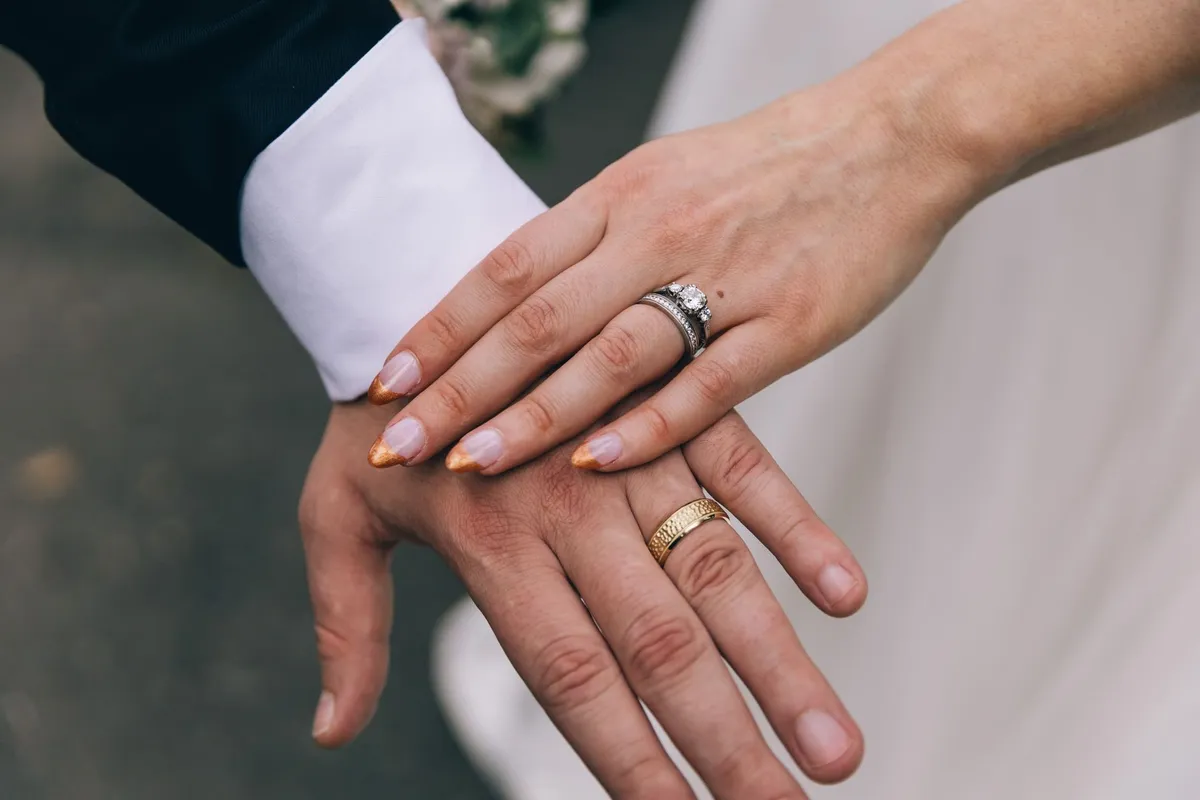
For gold jewelry, the single largest value driver is the metal itself. Karat matters enormously. A 24-karat piece is 99.9% pure gold. An 18-karat piece is 75% gold. A 10-karat piece is only 41.7% gold, with the rest being alloy metals that carry almost no resale value. Weight is measured in troy ounces or grams, and a buyer calculates the pure gold content by multiplying the total weight by the purity percentage, then applying the current spot price of gold.
That calculation is the floor. Everything else either adds to it or subtracts from it. A heavy 14-karat chain with no gemstones gets valued almost entirely on metal content. Platinum pieces follow the same logic, though platinum spot prices move differently than gold and are priced per troy ounce on their own market. Silver, by contrast, carries a much lower spot price, which is why a large sterling silver set might yield far less than a small 18-karat ring.
Unlimited Buyers advises clients to look up the London Bullion Market Association spot price the morning of their appointment. It changes daily. Knowing the number means you can follow the math your buyer is doing in real time, rather than accepting a figure on faith.
Diamonds: Cut, Condition, and the Certificate Question
A diamond’s value rests on the four Cs, but not equally. Carat weight and cut grade carry the most weight in resale. A well-cut 1.5-carat round brilliant in G-H color with VS2 clarity will always outperform a poorly cut stone of the same carat weight. Color and clarity matter, but buyers discount heavily for stones below SI2 clarity or below J color in the near-colorless range.
Certification changes the transaction. A GIA certificate gives a buyer confidence in the grading, which translates to a higher offer. An uncertified stone, even a beautiful one, gets graded on the spot by the buyer’s loupe and light source. That introduces uncertainty, and buyers price uncertainty conservatively. If you have a GIA or AGS certificate, bring it. If you do not, do not expect the same number.
Condition is the variable sellers most often overlook. Chips on the girdle, abrasions on the table, or a poorly re-cut stone all reduce value. For anyone selling diamonds in NYC, having a stone cleaned and examined under magnification before the appointment is worth the fifteen minutes it takes.
Branded and Signed Pieces Carry a Separate Premium
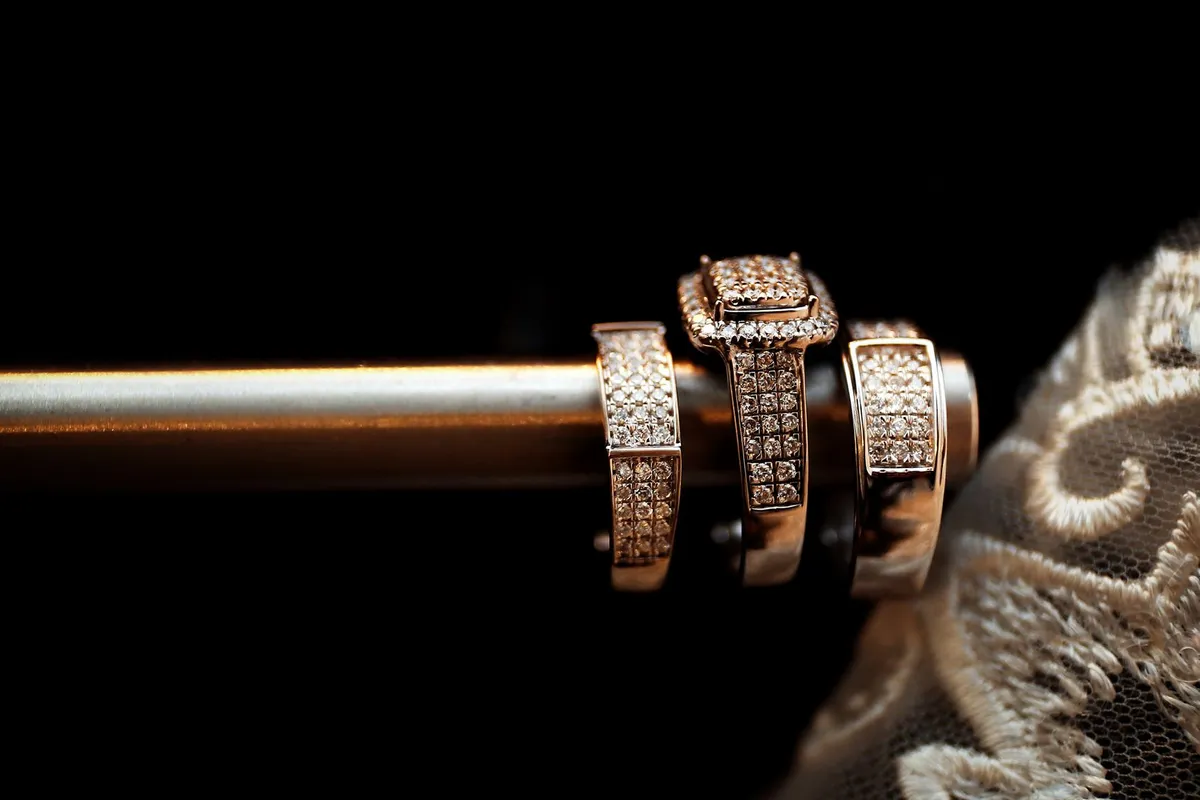
A Cartier Love bracelet is not just 18-karat gold. It is a Cartier Love bracelet. The brand premium is real, but it is not automatic. Buyers pay it only when three things are true: the piece is authentic, it is in excellent condition, and the secondary market for that specific piece is active.
Rolex, Patek Philippe, Van Cleef and Arpels, Bulgari, and a handful of others consistently command premiums above melt value. Lesser-known designer names often do not. A signed piece from a mid-tier designer may trade at or near metal value if there is no active collector demand. Unlimited Buyers sees this constantly with cash for gold transactions in NYC: clients arrive expecting a brand premium on a name that the resale market simply does not support at a meaningful level.
Box and papers matter for watches especially. A Rolex Submariner with full documentation is worth meaningfully more than the same reference without it. The gap can run into thousands of dollars. Anyone considering selling a watch in NYC should locate original paperwork before the appointment, not after.
Colored Stones: Where Variability Gets Extreme
Rubies, emeralds, sapphires, and alexandrite can be worth more per carat than diamonds. They can also be nearly worthless. The spread is wider than almost any other category in jewelry buying. Origin matters for top-tier stones. A Burmese ruby with no heat treatment and a Gübelin or GRS certificate commands a price that a Thai or Mozambique ruby of the same weight cannot. Heat treatment is standard in the industry, but the absence of it in a fine stone adds a significant premium.
Synthetic stones, which are chemically identical to natural ones but grown in a lab, have almost no resale value regardless of size. A 3-carat synthetic emerald is worth a fraction of a natural 3-carat emerald, even a heavily included one. Buyers identify synthetics with a Chelsea filter, spectroscope, or in some cases a refractometer. Do not assume a large, vivid stone is natural just because it came in an estate piece. For anyone interested in understanding what their colored stones might yield, the sell colored stones NYC resource gives a useful starting framework.
Unlimited Buyers works with clients across NYC, from estate collections in SoHo to single pieces brought in from the outer boroughs, and the advice on colored stones is consistent: get a lab report on anything significant before assuming a value. Opinions vary. Labs do not.
For anyone selling gold in NYC or bringing in a mixed estate collection, the same principle applies across every category: know what you have before you name a number. Unlimited Buyers operates out of 37 W 47th St #203, New York, NY 10036, USA, reachable at (212) 764-6725, and functions as a straightforward reference point for anyone trying to get an honest, informed read on what their jewelry is actually worth in the current market.
Frequently Asked Questions
How does the cash for gold process work?
The cash for gold process typically involves bringing your gold items to our location, where they will be assessed for their weight and purity. Based on these factors, we will provide you with a cash offer that reflects the current market value of gold.
What should I prepare before selling my gold?
Before selling your gold, it’s helpful to gather all the items you wish to sell, along with any relevant documentation like receipts or appraisals. Knowing the weight and karat of your gold can also assist in understanding the offer you might receive.
What factors influence the cash offer I receive for my gold?
The cash offer you receive is influenced by several factors, including the current market price of gold, the purity of your gold items, and their weight. Additionally, the condition and demand for specific types of gold jewelry can also impact the offer.
What common mistakes should I avoid when selling my gold?
Common mistakes include not researching the current market value of gold before selling, neglecting to compare offers from different buyers, and selling without understanding the purity and weight of your gold items. Taking the time to educate yourself can lead to a better cash offer.
Get Directions to Unlimited Buyers
🎧 Listen to this as a podcast
Also on Apple Podcasts, Spotify, and Amazon Music.
