
Every year, New Yorkers leave serious money on the table when they decide to sell jewelry in NYC, not because their pieces aren’t valuable, but because they walk into the process without knowing what to expect. A broken clasp, a missing certificate, a rushed decision, any one of these can cost you hundreds, sometimes thousands of dollars. Before you hand over a single ring or necklace, it’s worth understanding exactly where people go wrong and how to avoid those same traps.
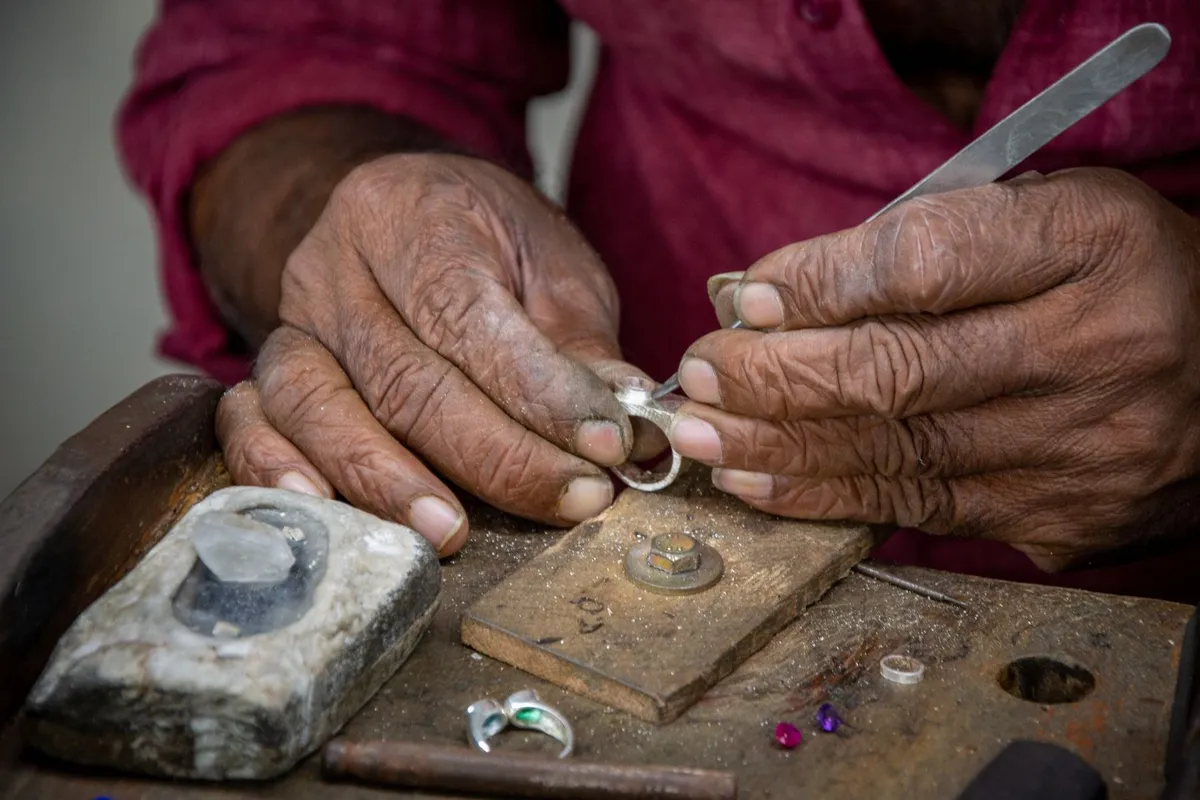
Trusting the First Number You Hear
This is the most common and most expensive mistake. Someone gets an offer from the first buyer they visit, assumes it’s fair, and takes it on the spot. The reality is that offers can vary dramatically from one buyer to the next, even for the exact same piece.
Why? Because not every buyer has the same market connections, the same overhead costs, or the same appetite for certain items. A buyer who specializes in estate pieces might pay more for a vintage brooch than a general pawn shop would. A diamond buyer who moves significant volume can often offer more competitive rates than someone who only sees a handful of stones a month.
The fix is simple: get at least two or three offers before committing. It takes a little extra time, but the difference in what you walk away with can be substantial. Reputable buyers won’t pressure you to decide on the spot, if someone is rushing you, that’s a red flag in itself.
Ignoring What Your Jewelry Is Actually Made Of
A lot of people come in thinking their jewelry is worth more, or less, than it actually is, simply because they don’t know what they have. There’s a big difference between gold-filled and solid gold, between a natural diamond and a lab-grown stone, between sterling silver and silver-plated metal.
Before you meet with any buyer, take a few minutes to look for hallmarks. These are small stamps on the inside of a ring band or the clasp of a necklace that indicate the metal’s purity, things like “14K,” “925,” or “PT950” for platinum. If you can’t find them or can’t read them, a reputable buyer will test the metal for you. The point is to go in with at least a basic understanding so you’re not completely in the dark when an offer is made.
If you have colored gemstones, don’t assume they’re worthless just because they aren’t diamonds. Rubies, sapphires, and emeralds can carry real value, especially if they’re natural rather than synthetic. Selling colored stones requires a buyer who actually knows how to evaluate them, so make sure you’re working with someone who has that expertise.
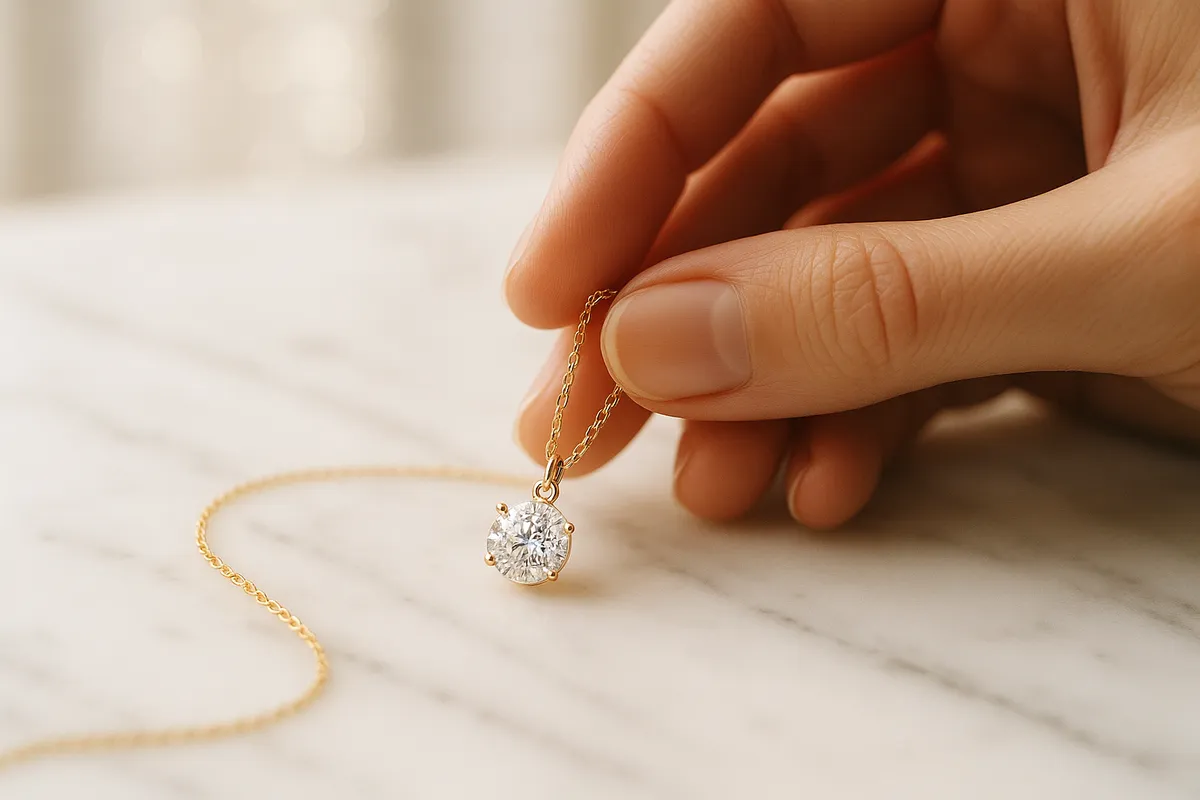
Skipping the Paperwork, Even When You Think It Doesn’t Matter
If you have original documentation for a piece, a GIA certificate for a diamond, an appraisal from a certified gemologist, original receipts, or even brand paperwork for a designer piece, bring it. Every single time.
Documentation doesn’t just verify what you’re selling. It gives a buyer confidence, and that confidence often translates directly into a higher offer. A diamond with a GIA grading report is a known quantity. Without it, a buyer has to account for uncertainty, and that uncertainty comes out of your offer.
People often think that because a piece is clearly real or clearly valuable, the paperwork is just a formality. It isn’t. Experienced buyers, including the team at Unlimited Buyers, who have spent years working with New Yorkers across all kinds of estate and personal jewelry, will always factor documentation into their evaluation. It’s one of the easiest ways to protect your payout without doing anything complicated.
If you’ve lost your paperwork, it may be worth getting a fresh appraisal before you sell. The cost of an independent appraisal is often far less than what you’d lose by selling without one. For a deeper look at how to position yourself well before meeting with a buyer, this breakdown of key insights for maximizing value covers the process clearly.
Choosing a Buyer Based on Convenience Alone
It’s tempting to walk into the nearest shop or click on the first result that comes up. Convenience matters, but it shouldn’t be the only factor, especially when you’re talking about pieces that may be worth significant money.
Look for buyers who are transparent about their process. They should be willing to explain how they’re evaluating your piece, what factors are affecting the offer, and why they’ve landed on a particular number. If a buyer can’t or won’t explain their reasoning, that’s a problem.
Experience matters too. Someone who has been buying jewelry for decades has seen enough pieces to recognize what’s genuinely rare versus what’s common, what the current market supports versus what it doesn’t. Many people who’ve worked with established buyers in the city mention feeling genuinely heard, like their pieces were actually being considered rather than just processed. That kind of attention makes a real difference in the final number.
It’s also worth knowing what the buyer specializes in. If you’re selling a luxury watch alongside a piece of jewelry, find a buyer who handles both with equal confidence. A strong jewelry buyer in NYC should be able to evaluate a wide range of items, gold, diamonds, estate pieces, and more, without sending you somewhere else for half of what you brought in.
Selling jewelry doesn’t have to be stressful or confusing. Avoid these mistakes, do a little preparation, and you’ll be in a much stronger position to walk away with an offer that actually reflects what your pieces are worth.
Frequently Asked Questions
How many offers should I get before committing to a buyer in NYC?
The article recommends getting at least two or three offers before making a decision, since prices can vary dramatically from one buyer to the next even for the exact same piece. A buyer who specializes in estate jewelry, for example, may pay significantly more for a vintage brooch than a general pawn shop would. If any buyer is pressuring you to decide on the spot, that alone is a red flag worth taking seriously.
What do the stamps inside my ring or on my necklace clasp actually mean?
Those small stamps are called hallmarks, and they tell you the metal’s purity, “14K” means 14-karat gold, “925” means sterling silver, and “PT950” means platinum. Knowing what you have before you walk in means you won’t be completely in the dark when an offer is made. If you can’t find or read the hallmarks, a reputable buyer will test the metal for you on the spot.
Does it really matter if I bring paperwork for a piece that’s obviously real?
Yes, documentation like a GIA grading report or a certified appraisal gives a buyer confidence, and that confidence typically translates into a higher offer. Without a certificate, a buyer has to account for uncertainty, and that uncertainty comes directly out of the number they put on the table. If you’ve lost your original paperwork, getting a fresh independent appraisal beforehand often costs far less than what you’d lose by going in without one.
Are colored gemstones like rubies or sapphires worth bringing in, or do buyers mostly care about diamonds?
Natural rubies, sapphires, and emeralds can carry real value, but you need to work with a buyer who actually knows how to evaluate them, not every buyer does. The key distinction is natural versus synthetic, since synthetic stones are worth considerably less. Make sure you confirm upfront that the buyer has specific experience with colored stones before handing anything over.
What should a buyer be able to tell me when they make an offer?
A trustworthy buyer should be able to explain exactly how they evaluated your piece, what factors influenced the number, and why they landed where they did. If they can’t or won’t walk you through their reasoning, that’s a problem worth paying attention to. Experience also matters, someone who has handled a wide range of pieces over many years will recognize what’s genuinely rare versus common, which directly affects what they’re willing to pay.
Get Directions to Unlimited Buyers
🎧 Listen to this as a podcast
Also on Apple Podcasts, Spotify, and Amazon Music.
