
There’s a moment most people don’t talk about when they decide to sell gold NYC, that brief pause before handing over a piece that’s been sitting in a drawer for years, or inherited from someone they loved. It’s not just a financial transaction. It carries weight. And understanding both the emotional and practical sides of the process can make the difference between walking away satisfied and walking away with regret.
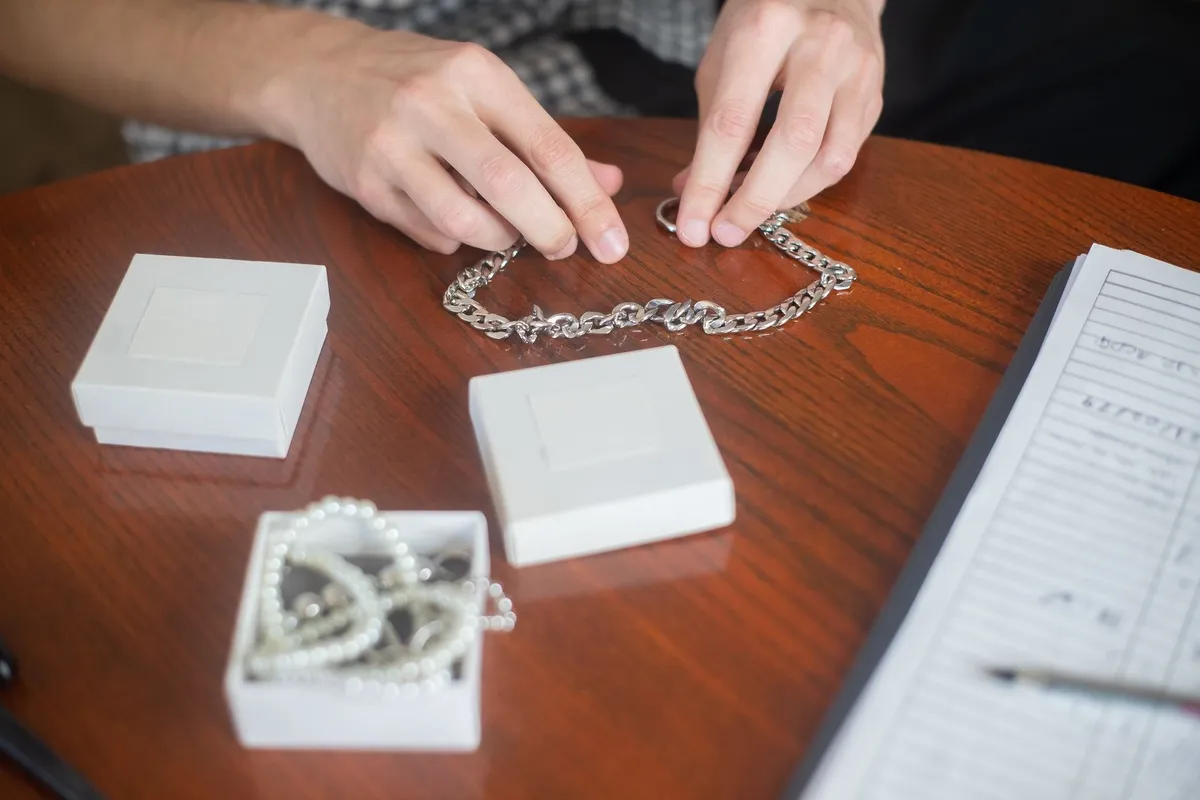
That Old Chain Isn’t Just Metal, And That’s Okay
Sentimental attachment to gold is completely normal. A grandmother’s bracelet, a college ring, a gift from a relationship that ended, these objects hold memory. The mistake people make is letting that attachment cloud their judgment in one of two directions: either holding onto pieces indefinitely that no longer serve them, or rushing to sell impulsively without thinking it through.
Before anything else, ask yourself a simple question: Would I miss this in six months? If the honest answer is no, if the piece has been sitting untouched in a box, then selling it is likely the right call. Gold doesn’t appreciate emotionally. It appreciates financially. And right now, with gold prices sitting near historic highs, the timing genuinely favors sellers.
If you’re on the fence about a specific piece, consider having it appraised first. Knowing the actual value sometimes makes the decision much easier. Pieces that feel priceless often turn out to have modest melt value, while others surprise you entirely.
What the Market Is Actually Doing Right Now
Gold has had a remarkable run. Prices have climbed significantly over the past few years, driven by inflation concerns, global uncertainty, and strong demand from central banks worldwide. For anyone sitting on gold jewelry, coins, or scrap metal, this is a window worth paying attention to.
That said, markets move. Nobody can predict with certainty where gold goes from here. What experienced buyers will tell you is that sellers who wait for the “perfect” price often miss solid opportunities. If the current price covers your needs and the piece isn’t serving you emotionally or practically, there’s a strong case for acting now rather than waiting.
Understanding what factors influence your cash for gold offerthings like karat weight, current spot price, and the buyer’s margin, puts you in a much stronger position before you walk into any transaction. Knowledge is leverage here.
Not All Buyers Are Created Equal, This Part Really Matters
New York has no shortage of places willing to buy your gold. Pawn shops, online platforms, pop-up buyers at hotel ballrooms, jewelry stores, they all exist, and they all offer very different experiences and prices. The spread between a low-ball offer and a fair one can be significant, sometimes hundreds of dollars on the same piece.
What separates a trustworthy buyer from a predatory one comes down to a few things. Transparency is the biggest one. A reputable buyer will show you exactly how they’re calculating your offer, the weight, the karat, the current spot price, and their margin. If someone is vague about the math or rushes you through the process, that’s a red flag worth heeding.
Many people who’ve worked with Unlimited Buyers for selling gold in NYC mention how different the experience felt compared to other places they’d tried, less pressure, more explanation, and offers that actually reflected what their pieces were worth. That kind of transparency builds trust, and in this business, trust is everything.
It’s also worth knowing that established local buyers with years of experience in the city’s jewelry market tend to have tighter margins than transient operations. They’re building long-term reputations, not just passing through. For a deeper look at what to look for before making a decision, this guide on choosing the right jewelry buyer covers the key questions worth asking.
Letting Go Without Losing the Memory
Here’s something that doesn’t get said enough: selling a piece of gold jewelry doesn’t erase what it meant. The memory of the person who gave it to you, or the moment it represented, doesn’t disappear when the piece changes hands. What you’re releasing is the physical object, not the story attached to it.
Some people photograph pieces before selling them. Others write down the story behind a particular item before letting it go. These small rituals can make the process feel more intentional and less like a loss. Plenty of sellers describe feeling lighter afterward, not just financially, but emotionally. There’s something clarifying about converting an object that’s been gathering dust into something useful.
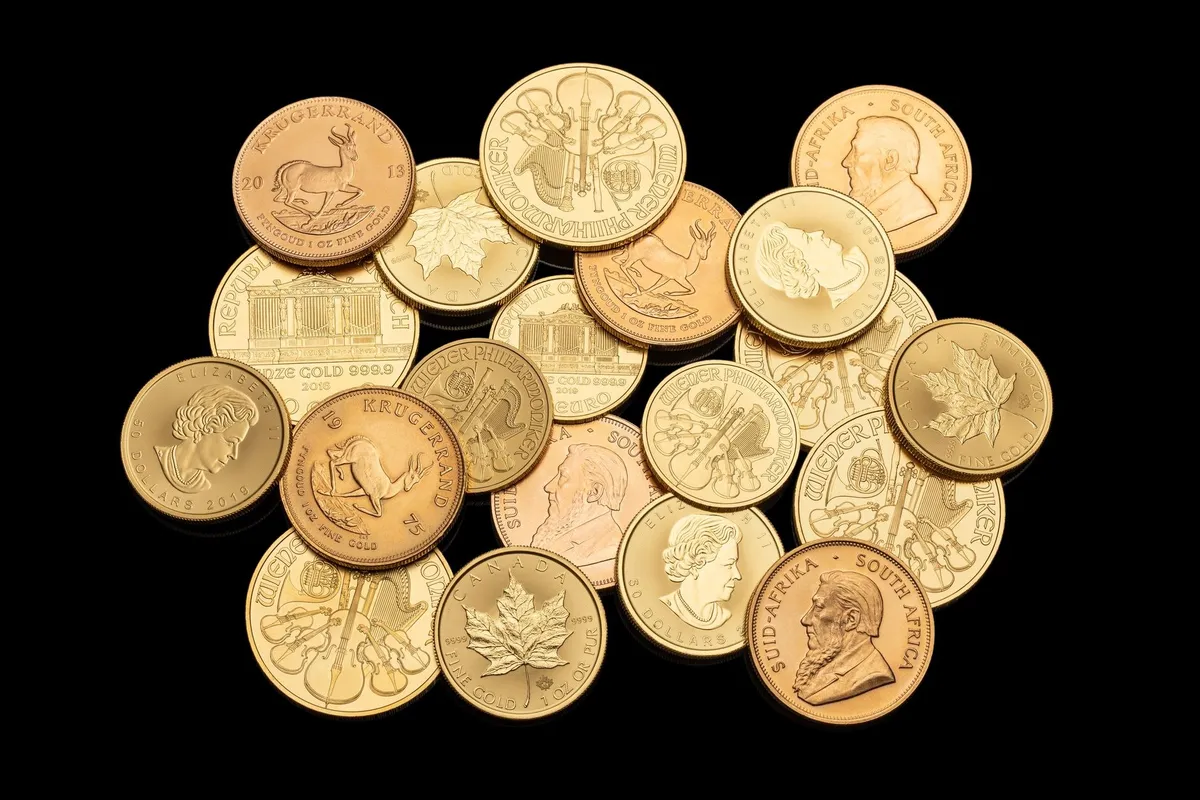
If the gold in question includes coins rather than jewelry, the process has some additional nuances. Selling gold coins involves considerations around numismatic value versus melt value, and getting that distinction right can meaningfully affect what you walk away with.
At the end of the day, and this is the part most people figure out only after the fact, the best transactions happen when sellers come in informed, emotionally ready, and working with a buyer who treats them like an adult. That combination is rarer than it should be, but it’s absolutely available in this city if you know where to look.
Frequently Asked Questions
How do I know if a buyer in NYC is actually being fair with their offer, or just telling me what I want to hear?
A legitimate buyer will walk you through the math out loud, the weight of your piece, the karat, the current spot price, and what margin they’re taking. If they hand you a number without explaining how they got there, or if they rush you toward a decision, that’s a warning sign worth taking seriously. The difference between a low offer and a fair one on the same piece can run into the hundreds of dollars, so the explanation matters.
I inherited a few pieces from my grandmother and I’m not sure I’m ready to part with them, is it worth getting an appraisal first even if I might not sell?
Yes, and the article makes a specific point about this: knowing the actual dollar value often makes the decision easier, not harder. Some pieces that feel irreplaceable turn out to have a modest melt value, while others surprise you entirely in the other direction. Getting an appraisal doesn’t commit you to anything, it just gives you real information to work with.
Gold prices seem high right now, should I wait to see if they go even higher before bringing anything in?
The article addresses this directly: sellers who hold out for the perfect price frequently miss solid opportunities while the market moves around them. Nobody can predict with certainty where prices go from here, and if the current price covers your needs and the piece isn’t doing anything for you sitting in a drawer, waiting isn’t necessarily the smarter move. Acting on a strong market now is a reasonable choice.
What’s the difference between selling a gold coin and selling gold jewelry, does it actually change what I get paid?
It can, and the distinction matters. Gold coins carry two potential values: the melt value based on their gold content, and the numismatic value based on their rarity or collectibility as coins. Getting that distinction wrong, or working with a buyer who ignores it, can meaningfully affect what you walk away with, so it’s worth raising the question before any offer is made.
I feel guilty about wanting to sell a piece that has sentimental history, is that a normal part of the process?
Completely normal, and the article is straightforward about it: the memory attached to a piece doesn’t disappear when the object changes hands. Some people photograph pieces beforehand or write down the story behind them, which makes the process feel more deliberate and less like a loss. What you’re releasing is the physical object, not what it meant.
Get Directions to Unlimited Buyers
🎧 Listen to this as a podcast
Also on Apple Podcasts, Spotify, and Amazon Music.
