
Most people who decide to sell diamonds NYC spend a lot of time thinking about the before, getting an appraisal, finding a reputable buyer, negotiating a fair price. But almost nobody thinks about the after. What actually happens to that diamond once it leaves your hands? Where does it go? And does knowing that change anything about how you should approach the sale? It turns out, the answer to that last question is yes, more than most sellers realize.
Your Diamond Has a Second Life (And It’s More Valuable Than You Think)
Here’s something the industry doesn’t advertise loudly: diamonds don’t disappear after resale. They get recertified, reset, and resold, often at retail markups that would make your jaw drop. A stone you sell today could end up in a boutique display case on Fifth Avenue within months.
Why does this matter to you as a seller? Because it tells you something important about the real demand for pre-owned diamonds. The secondary market for quality stones is genuinely robust. Buyers aren’t doing you a favor by taking your diamond off your hands, they’re acquiring an asset with real resale potential. That’s a negotiating reality worth keeping in mind before you accept the first offer you receive.
Stones with GIA or AGS certifications move fastest and command the strongest resale prices. If you still have your original grading report, hold onto it. That paperwork is worth real money, sometimes adding hundreds of dollars to your offer on the spot.
The Middleman Problem Nobody Warns You About
One of the biggest mistakes sellers make is walking into a transaction without understanding who they’re actually selling to. There’s a significant difference between a dedicated diamond buyer and a general pawnshop that happens to accept jewelry. The former has direct relationships with dealers, auction houses, and estate resellers. The latter is often just going to flip your stone to one of those buyers anyway, and pocket the margin in between.
That gap in the middle is money that could have been yours. When you work directly with an experienced diamond buyer in NYCyou’re cutting out that extra layer. The offer reflects what the stone is actually worth in the current market, not a discounted price padded for a middleman’s profit.
It’s also worth understanding that not every buyer evaluates diamonds the same way. Some focus almost entirely on carat weight. Others weigh cut quality heavily. A buyer who truly knows the market will assess all four Cs, cut, color, clarity, and carat, and factor in current wholesale demand before making an offer. If someone gives you a number in under two minutes without examining the stone carefully, that’s a red flag.
Loose Stones vs. Stones Still in Their Setting, It Actually Matters
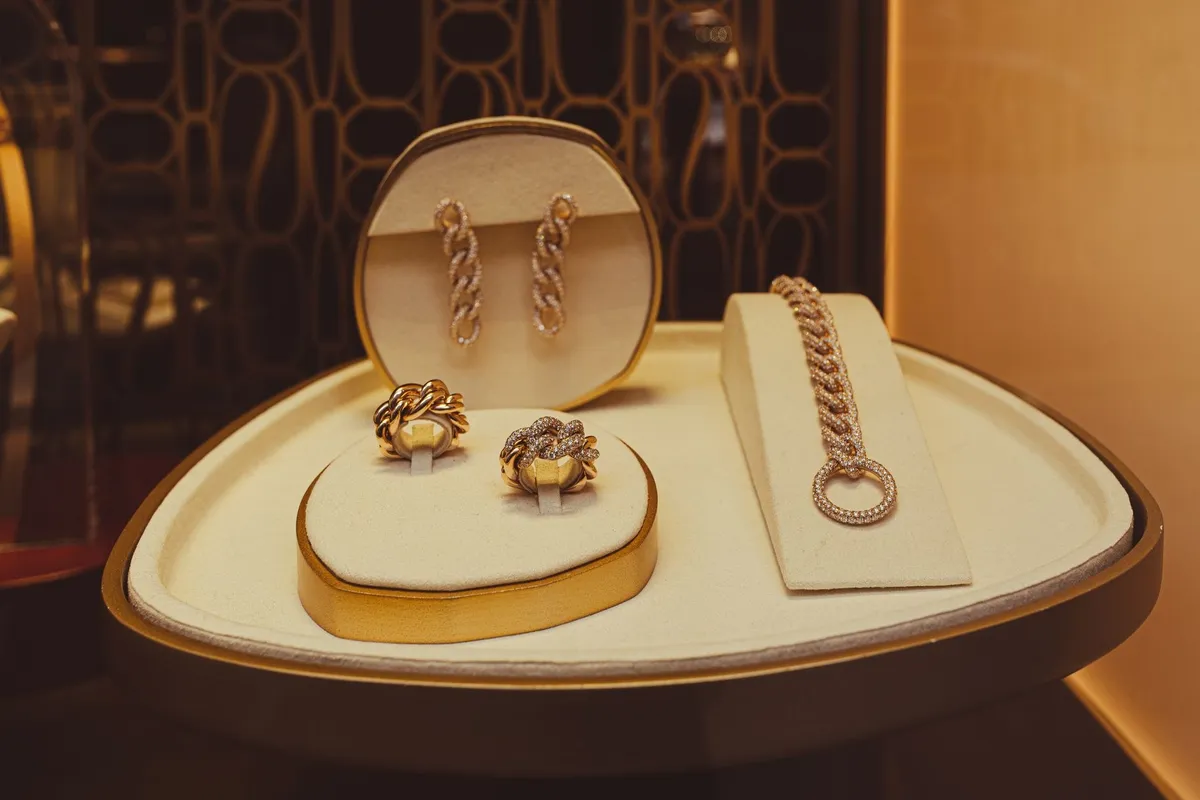
A lot of sellers come in with diamonds still mounted in rings, pendants, or earrings. There’s nothing wrong with that, but it’s worth knowing how buyers think about it. The metal and the stone are evaluated separately. The gold or platinum setting has its own melt value. The diamond is assessed on its own merits. You’re essentially selling two things at once, and a good buyer will be transparent about what each component is worth.
If you’re selling an engagement ring specifically, there are a few extra considerations around sentimental value versus market value that are worth thinking through beforehand. The steps to successfully sell your engagement ring in NYC are a little different from selling a loose stone, the emotional weight of that transaction is real, and the right buyer will treat it accordingly.
Sellers who’ve worked with Unlimited Buyers in Midtown Manhattan frequently mention that the process felt straightforward and respectful, no pressure, no lowball theatrics, just a clear explanation of what the stone is worth and why. That kind of transparency is exactly what you should expect from any buyer you consider working with.
Timing Your Sale Is Smarter Than Most People Realize
Diamond prices aren’t static. They shift with wholesale market conditions, currency fluctuations, and even seasonal demand cycles in the luxury retail space. Selling during a period of strong wholesale demand, typically ahead of the holiday season or Valentine’s Day rush, can meaningfully affect the offer you receive.
That said, don’t let the perfect timing be the enemy of a good sale. If you have a stone you’re ready to part with, waiting months for a marginally better market window rarely pays off the way people hope. The more important variable is who you sell tonot when.
Do your homework. Get more than one offer if you have the time. Understand what your stone’s grading report says before you walk in the door. And work with a buyer who will take the time to explain their evaluation process rather than just handing you a number and waiting for you to sign.
The diamond you’ve been holding onto has real value in today’s market. The only question is whether you’ll capture that value, or leave it on the table.
Frequently Asked Questions
If I still have the original GIA grading report for my diamond, how much of a difference does it actually make to the offer I get?
According to buyers who work in this market regularly, having the original grading report can add hundreds of dollars to your offer on the spot, not a rounding error. The paperwork confirms the stone’s specifications without requiring the buyer to make assumptions, which reduces their risk and lets them price more aggressively in your favor. If you’ve misplaced the report, it’s worth checking whether GIA can issue a replacement before you walk in.
Should I have the diamond removed from its setting before I bring it in, or does it matter?
You don’t have to remove it first, but you should understand that the buyer will evaluate the diamond and the metal separately regardless. The gold or platinum setting has its own melt value, and the stone is assessed entirely on its own merits, so you’re essentially negotiating two components at once. A transparent buyer will break down what each part is worth rather than giving you one lump number with no explanation.
How do I know if the buyer I’m talking to actually knows what they’re doing, or if they’re just going to flip my stone to someone else?
One concrete warning sign the article flags is speed, if someone gives you a number in under two minutes without carefully examining the stone, that’s a red flag. A buyer who knows the market will assess all four Cs: cut, color, clarity, and carat, plus current wholesale demand, before quoting anything. Pawnshops and general jewelry shops often skip that process because they’re planning to pass the stone to a dedicated dealer anyway, which means the margin they pocket comes directly out of your offer.
Is it really worth waiting for the right time of year to get a better price, or is that overthinking it?
The article is pretty direct on this: timing does affect offers, with stronger wholesale demand typically showing up ahead of the holiday season and Valentine’s Day, but waiting months for a marginally better window rarely pays off the way sellers hope. The bigger variable is who you sell to, not when you do it. If you’re ready to part with the stone and you’ve found a buyer who evaluates it properly, that matters more than holding out for a seasonal bump.
What’s the real difference between selling an engagement ring versus a loose stone, is the process actually different?
The mechanical process is similar, but the article notes that selling an engagement ring carries emotional weight that a good buyer will acknowledge rather than ignore. Beyond the sentimental side, the ring is still two separate assets, the stone and the setting, each evaluated on its own terms. The steps involved are different enough from selling a loose stone that it’s worth thinking through the sentimental versus market value question before you walk in, so you’re not making that calculation on the spot under pressure.
Get Directions to Unlimited Buyers
🎧 Listen to this as a podcast
Also on Apple Podcasts, Spotify, and Amazon Music.
